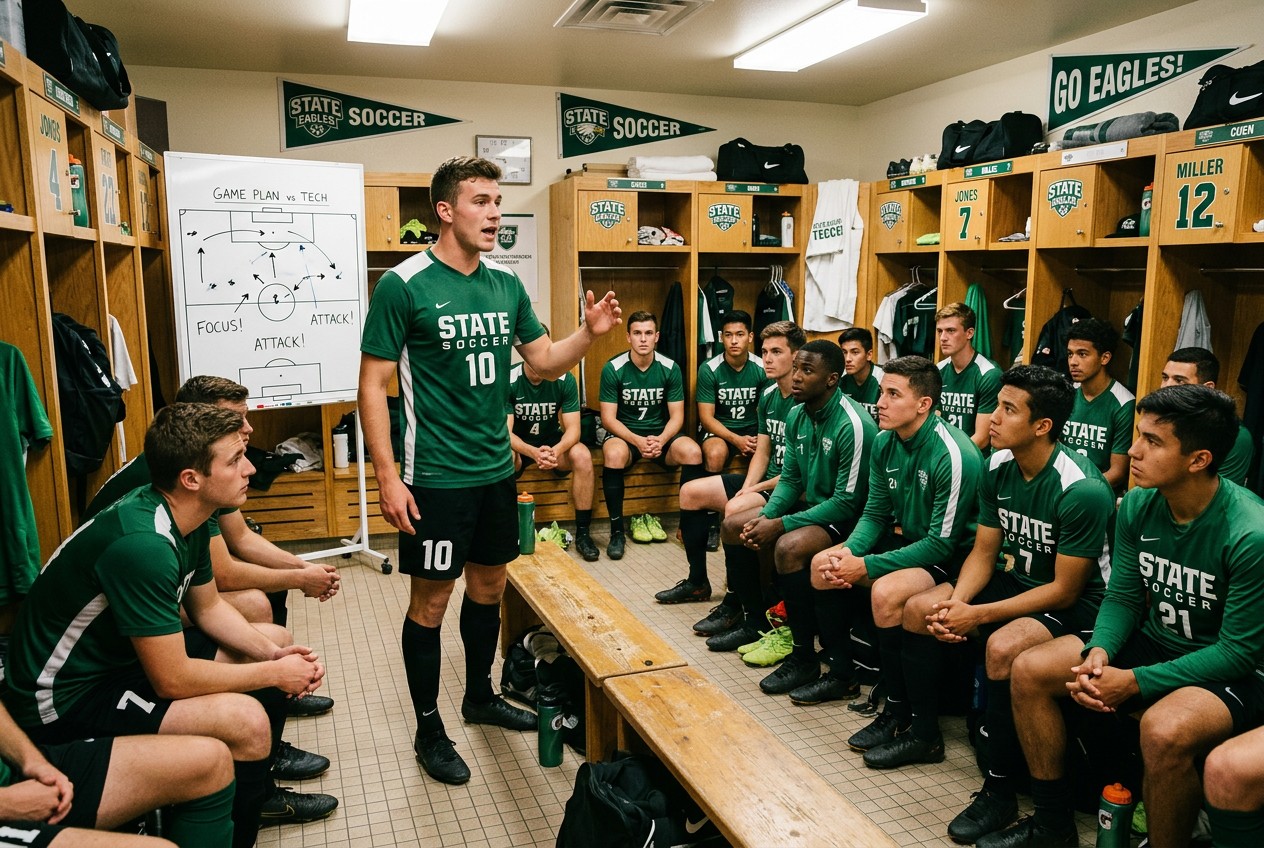
Ground (Ages 4-7)
This is where a love for sports is built
At the Ground stage, the focus is not on performance. It is on experience. Young athletes are learning how to try, how to be a good teammate and how to enjoy the game. We want them to feel confident, supported and excited every time they step on the field or court.
Kids at this stage are learning to cheer for others, communicate, stay positive and build friendships. Energy and enthusiasm matter more than outcomes.
This is also where curiosity starts. Athletes should feel comfortable asking questions and beginning to understand that everything has a purpose. Great coaches encourage this, because when kids understand why they are doing something, they connect to the game in a deeper way.
Ground is about showing up, being engaged and learning to love the process.

Reveal (Ages 7-10)
This is where the game starts to make sense
At the Reveal stage, young athletes begin to think more, notice more and understand more. They are learning how to solve problems, stay patient and observe what is happening around them. They pick up lessons from teammates, coaches and older athletes, as well as from watching high school, college and professional sports.
This is where their athletic IQ begins to develop.
Athletes are learning to listen, follow instructions and take ownership of doing things the right way. When they do not understand something, they should feel confident asking questions and seeking clarity and great coaches continue to encourage that curiosity.
They also begin to understand accountability and what it means to be part of a team, where effort, attitude and supporting others start to define who they are as an athlete.
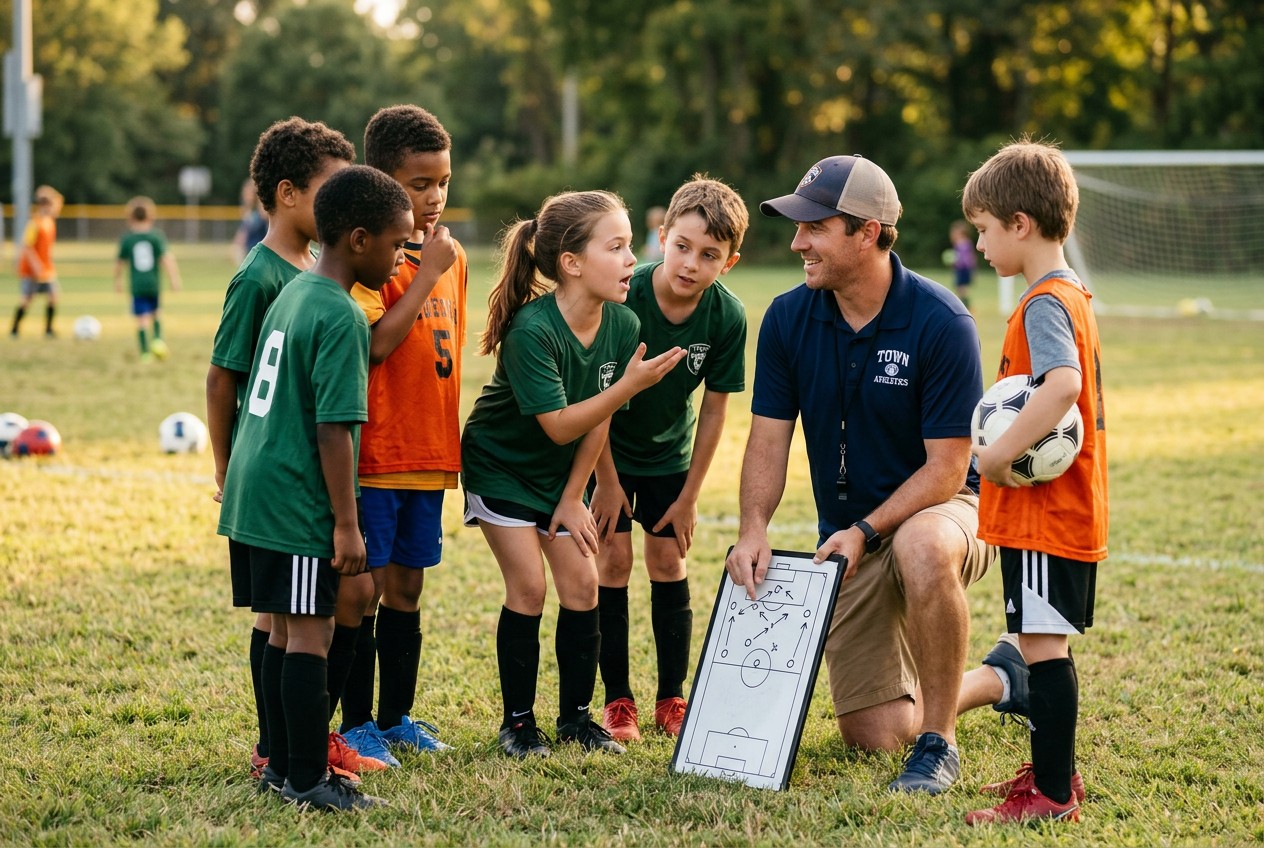
Own (Ages 10-13)
Where responsibility takes shape
This is where athletes begin to take ownership of their game.
At the Own stage, athletes are developing real game IQ. They are playing with more control, purpose and awareness. They begin to take initiative, make decisions with intent and understand how their actions impact the game and their team.
This is also where a more competitive edge starts to show. Athletes learn to play with effort and intensity while continuing to be great teammates who support and encourage others.
Off the field, ownership becomes part of their routine. They begin to manage their time, prepare for practices and games and take responsibility for their development. Small habits start to matter and consistency begins to separate them.
They are also learning what it means to give full effort. Playing hard is no longer occasional. It becomes the standard.
Own is where athletes start to take control of their development and build the habits that carry them forward.
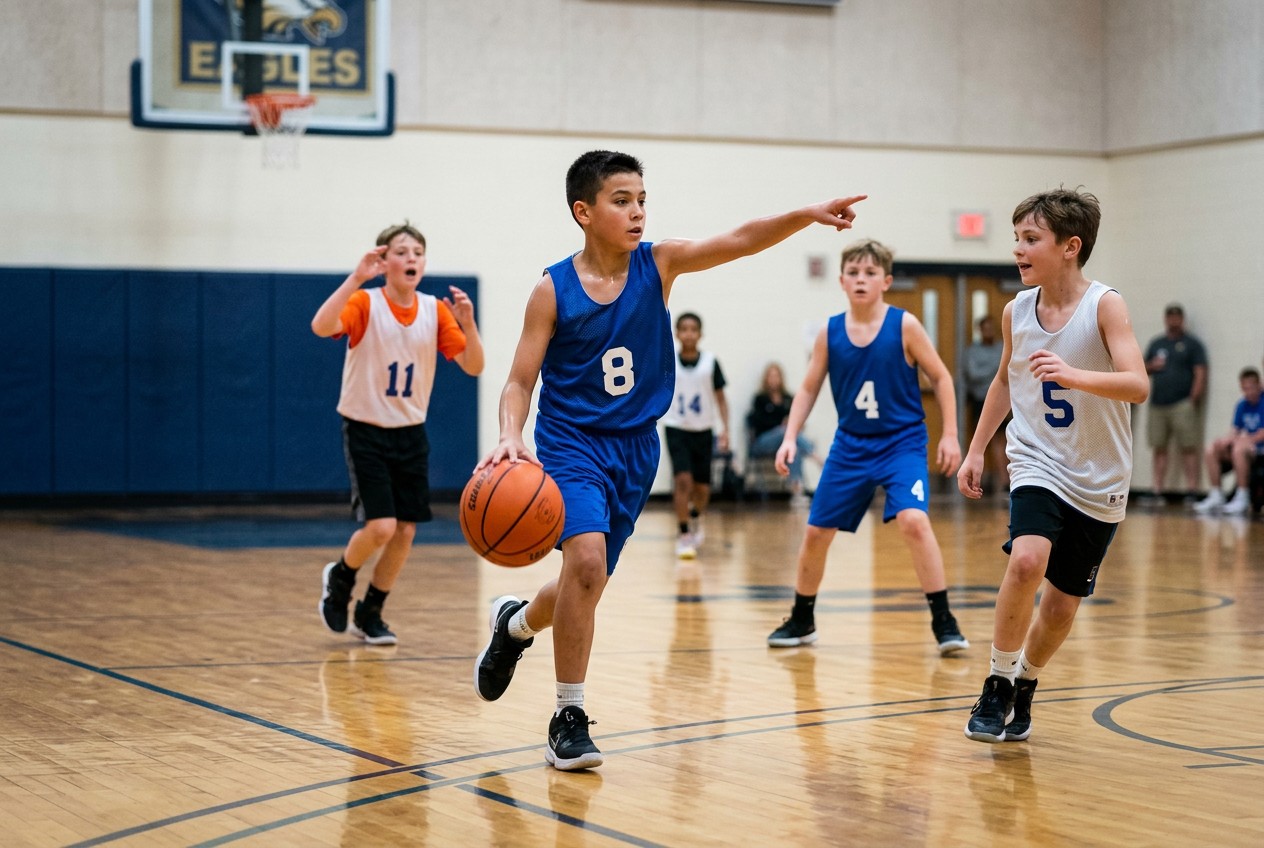
Win (Ages 13-16)
Where separation begins
This is where athletes begin to separate themselves.
At the Win stage, athletes play with greater intent, focus and confidence. Their game IQ and emotional maturity start to show up in how they compete, how they respond to pressure and how they handle both success and setbacks.
They begin to understand balance. Balancing school, sports and personal life becomes essential, along with learning how to handle the highs and lows that come with competition.
Athletes become more focused on developing their skills and improving their conditioning. Work ethic takes shape through consistent effort, internal drive and a growing sense of purpose.
They also learn to trust their teammates. They begin to rely on others, understanding that success is not about doing everything themselves. It is about playing their role, supporting the team and knowing when to step up and when to trust those around them.
Win is where growth, discipline and teamwork come together to elevate performance.

Teach (Ages 16-18)
Where leaders are formed
This is where athletes step into leadership.
At the Teach stage, athletes compete with confidence built through preparation, intent and experience. They play fast, aggressive and with purpose, while continuing to be great teammates who elevate those around them.
They lead with poise and control, especially emotionally. They understand how to handle pressure, respond to adversity and stay steady in big moments.
Athletes at this stage are also introspective. They understand their strengths and weaknesses, both physical and mental and they train with intention to improve. They take ownership of their development and consistently work to maximize what they do best.
At the same time, they recognize there is always more to learn. Growth does not stop here. The pursuit of improvement continues, with a mindset that values progress, discipline and striving for excellence.
Teach is where athletes lead by example and prepare for what comes next, both in sports and beyond.
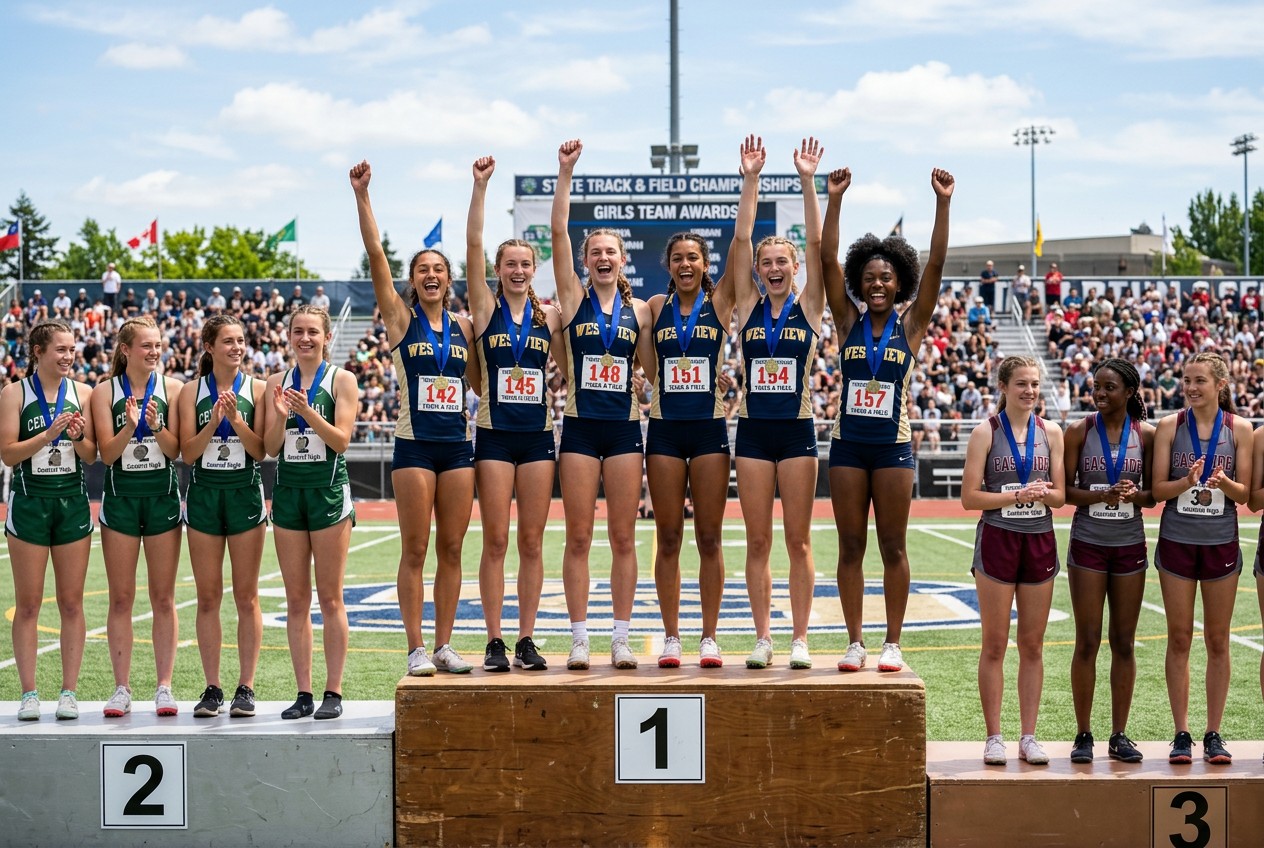
Higher (Ages 17+)
Where impact defines greatness
This is where growth continues beyond the game.
At this stage, athletes understand that development never stops. They continue to push themselves, refine their craft and look for ways to improve, both on and off the field.
But what separates them is not just how they perform. It is how they impact others.
Great athletes make the people around them better. They lead, support and elevate their teammates. They understand that true greatness is not about doing everything themselves, but about bringing out the best in everyone on their team.
They carry humility, character and a commitment to growth into everything they do. They know their strengths, they continue to work on their weaknesses and they strive for excellence without losing perspective.
Because in the end, becoming the best is not just about individual success. It is about the impact you have on others.