Master the
Mental Game.
Physical talent only takes you so far. True athletic excellence requires understanding how you process pressure, preparation and adversity.
The Missing Link
Why competitor types matter.
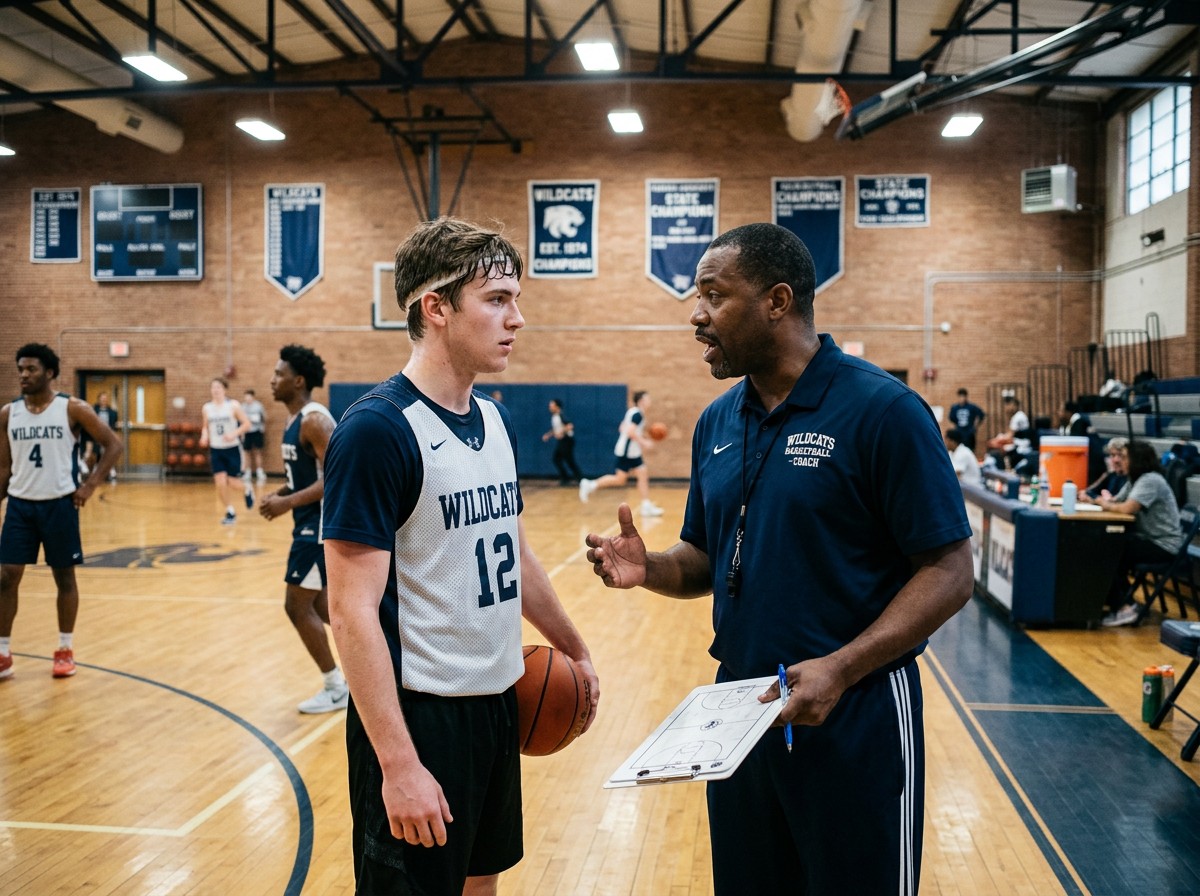
Every athlete responds to coaching, pressure and failure differently. By identifying your baseline competitor type, athletes and parents can tailor their approach to training and game-day preparation.
Our proprietary assessment cuts through the noise to reveal your mental habits, empowering you to turn weaknesses into strengths and strengths into elite weapons.
Discover Your Competitor Traits
We classify athletes with eight core profiles. Athletes are a combination of these types. Understanding where the athlets falls is the first step toward elite mental conditioning. Each trait has 5 to 6 defining athlete characteristics.
Physical & Natural Ability
Physical and Natural Ability types reflect the raw athletic traits each athlete brings to the game, including speed, strength, coordination and body control. Some athletes rely on natural gifts, while others develop these abilities through consistent effort and training over time. Understanding where an athlete starts physically helps set realistic expectations and guides how they should train and grow.
Work Ethic & Development
Work Ethic and Development types define how an athlete approaches effort, improvement and daily habits. Some athletes naturally outwork others and seek growth, while others need structure, accountability and consistency to develop. Over time, this area becomes the biggest separator between potential and actual performance.
Coachability & Learning
Coachability and Learning types reflect how an athlete receives feedback, processes instruction and turns it into improvement. Some athletes absorb and apply coaching quickly, while others resist, overthink, or need repetition to truly learn. The ability to listen, adjust and grow is one of the fastest ways an athlete can separate from the rest.
Mental & Emotional
Mental and Emotional types reflect how an athlete responds to pressure, mistakes and adversity. Some athletes stay composed and bounce back quickly, while others struggle with confidence, frustration, or consistency. Over time, this area often determines who can perform when it matters most.
Team & Social Dynamics
Team and Social Dynamics types reflect how an athlete interacts with teammates and influences the overall culture of the team. Some athletes naturally bring people together and elevate those around them, while others can either blend in or create tension. The way an athlete shows up in this area can impact team success just as much as their performance on the field.
Competitive Identity
Competitive Identity types define how an athlete approaches competition, including their mindset, intensity and motivation to win. Some athletes seek out pressure and take ownership in big moments, while others are more comfortable playing within a role or supporting the team. Understanding this helps shape how an athlete competes, prepares and responds when the stakes are highest.
Awareness & IQ
Awareness and IQ types reflect how well an athlete understands the game, anticipates what is happening and makes decisions in real time. Some athletes see plays develop before they happen, while others rely more on instinct or repetition. As competition gets higher, this ability often becomes a major separator between good and great players.
Commitment & Motivation
Commitment and Motivation types reflect what drives an athlete and how much they are willing to invest in their development. Some athletes are internally driven and consistent, while others rely on external encouragement or fluctuate in their commitment. Over time, this area shapes habits, consistency and how far an athlete is willing to go to reach their potential.
Ready to find your edge?
Take our comprehensive mindset assessment. You'll receive a detailed report of your competitor type, along with customized strategies for practice, pre-game routines and parental support.